Skip to content

cashflowarena.com

  • Basics
  • Transactions & Fees
  • English
  • Español
  • Français
  • Português
  • Русский

Ethereum Block Number: Reading Height, Hash, and State
October 30, 2026 by Javier Burco
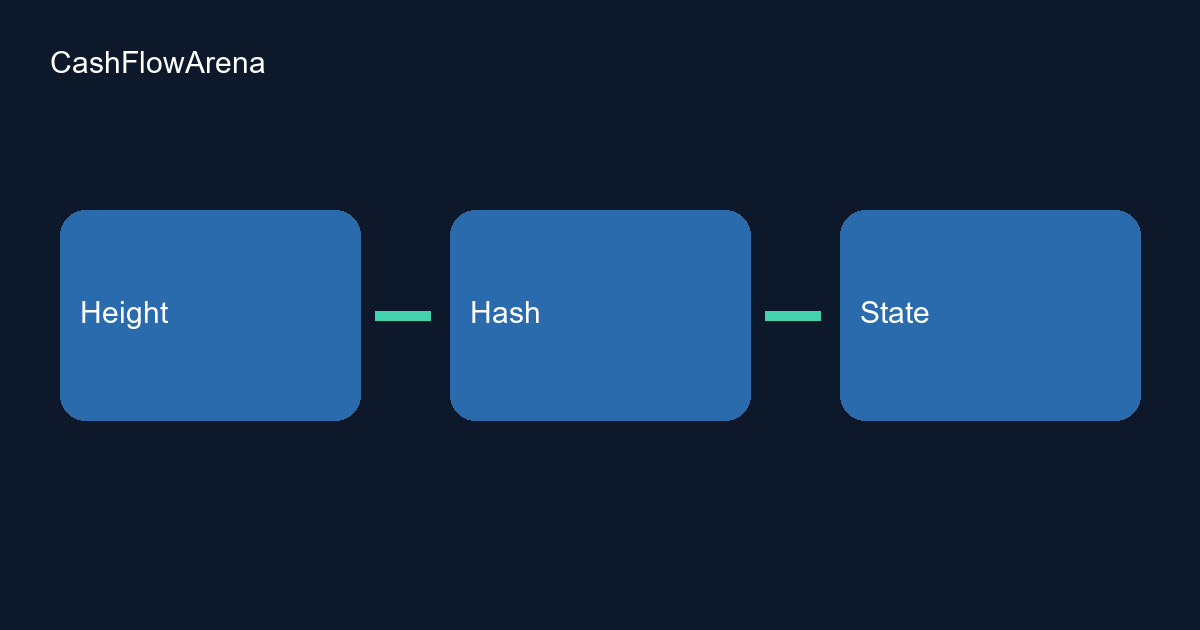
Diagram: three blue blocks labeled «Height», «Hash», «State», connected by two green lines.

Learn how an Ethereum block number differs from a block hash and timestamp, and how an explicit height gives context to read-only state queries.
Categories Basics

Ethereum Contract Creation: Init Code and the Resulting Address

October 30, 2026 by Javier Burco
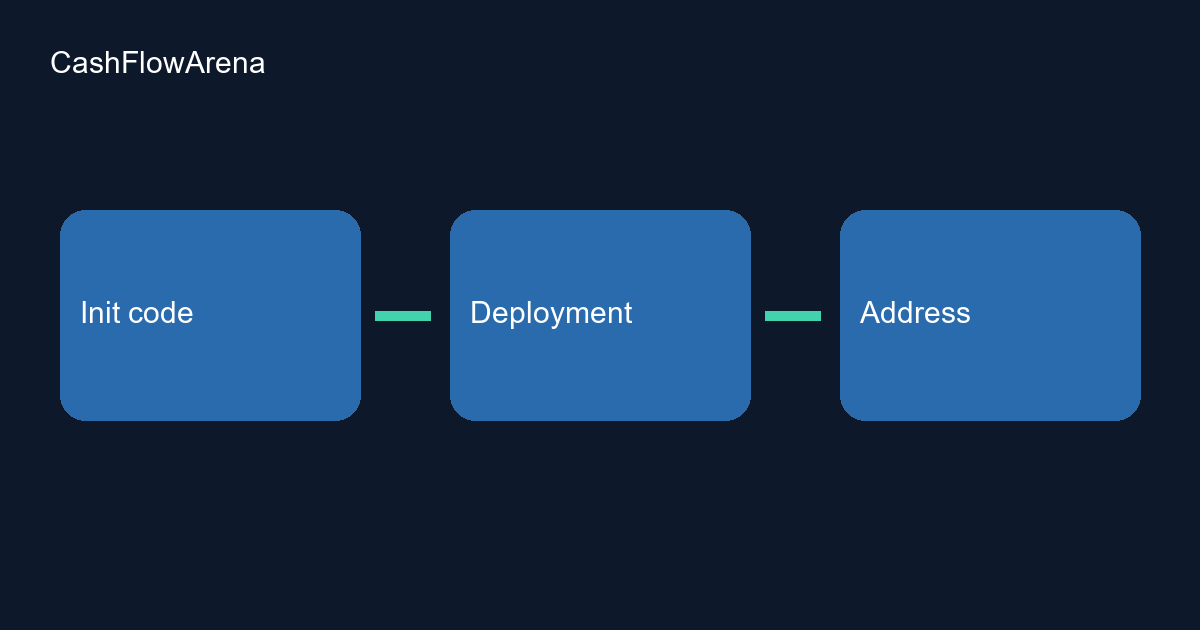
Diagram: three blue blocks labeled «Init code», «Deployment», «Address», connected by two green lines.

Understand why an Ethereum creation transaction has no ordinary destination, how initialization differs from deployed code, and where the receipt reports the created address.
Categories Basics

Ethereum Logs vs Events: How to Read an Emitted Record

October 30, 2026 by Javier Burco
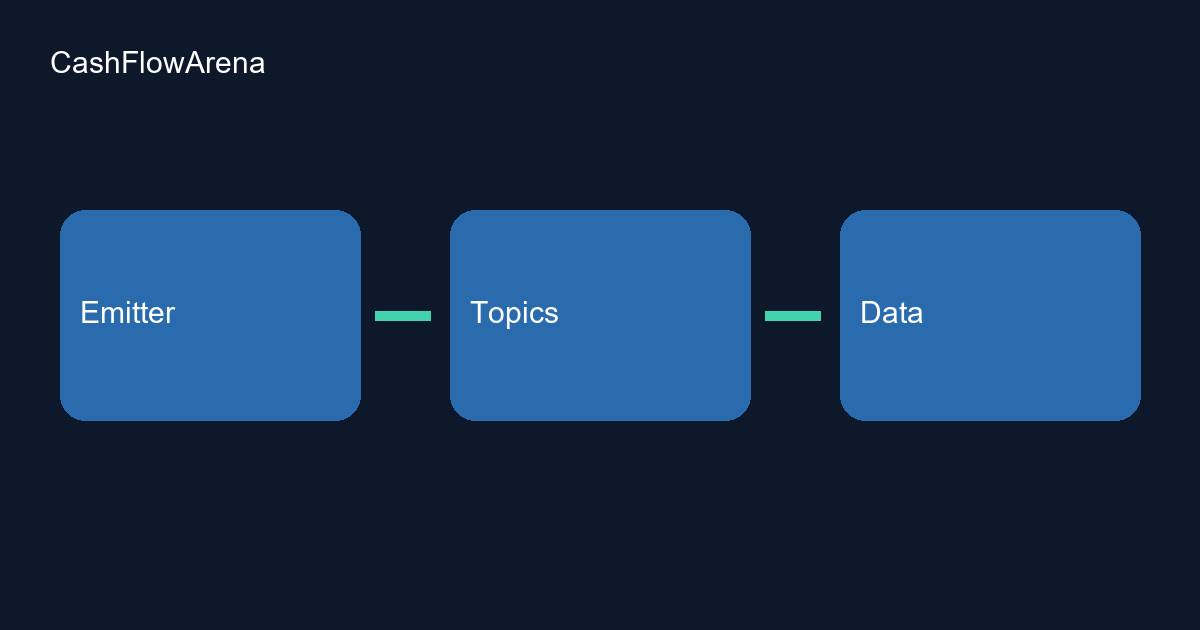
Diagram: three blue blocks labeled «Emitter», «Topics», «Data», connected by two green lines.

Solidity events define a format; Ethereum logs record particular emissions. Learn how emitter addresses, topics, data, and ABI context fit together—and what a decoded record leaves unproven.
Categories Basics

eth_call vs Transaction: What Ethereum Simulation Establishes

October 30, 2026 by Javier Burco
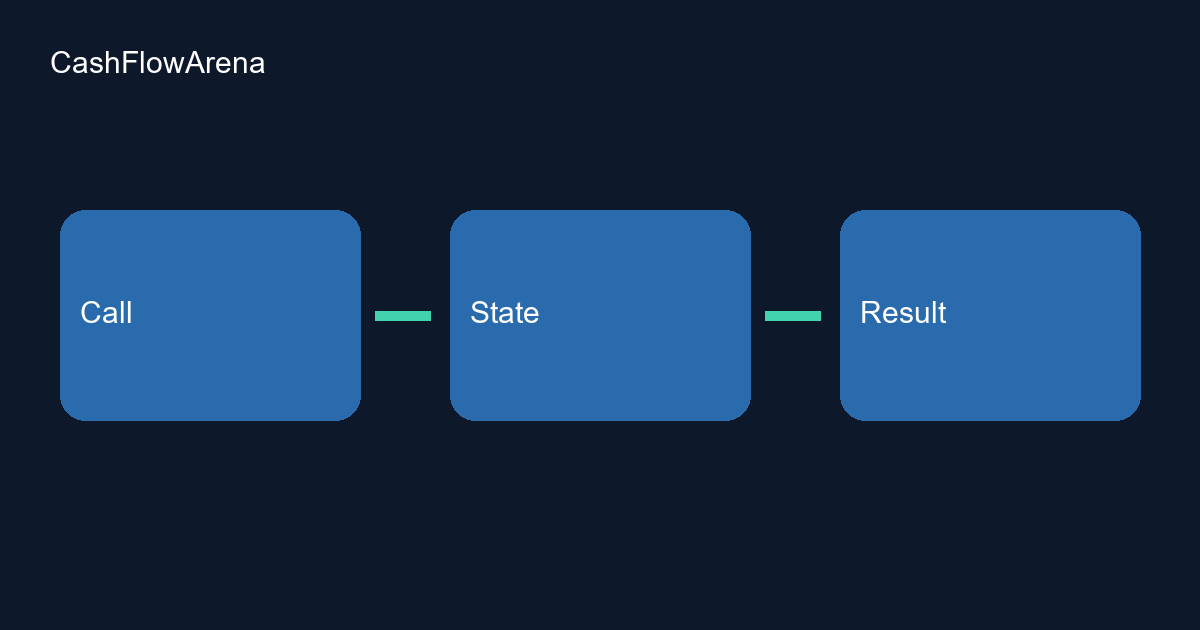
Diagram: three blue blocks labeled «Call», «State», «Result», connected by two green lines.

eth_call evaluates contract execution against selected Ethereum state without committing the simulated update. Learn how its context and return data differ from a transaction’s inclusion and execution.
Categories Basics

Ethereum Transaction Input Data: Understanding Bytes and ABI Decoding

October 30, 2026 by Javier Burco
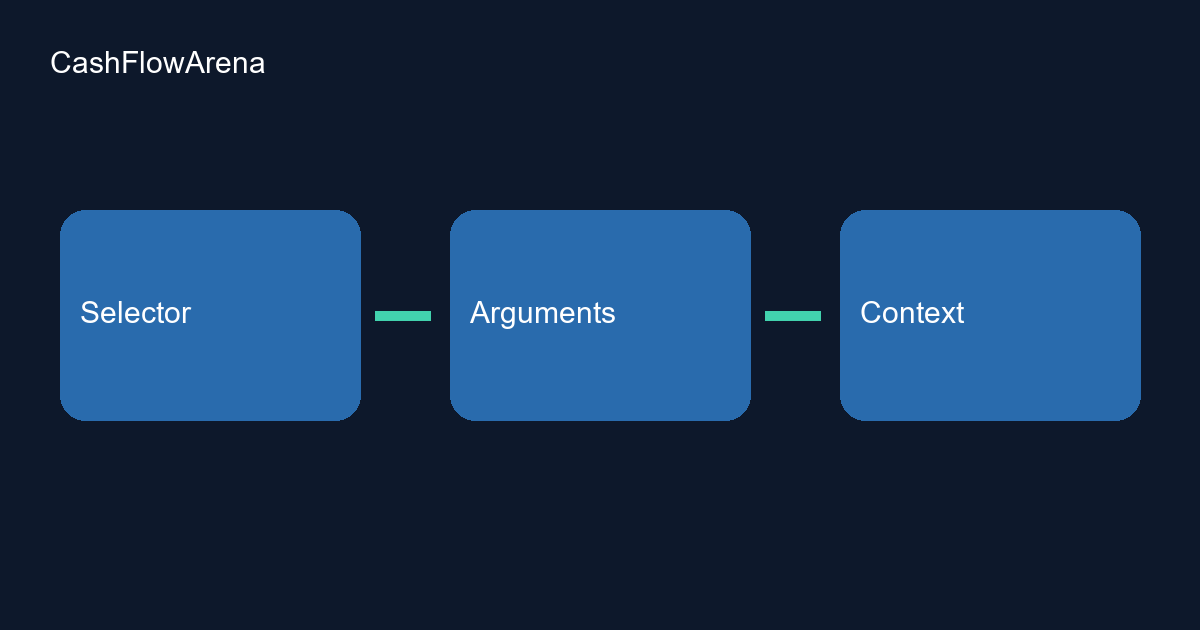
Diagram: three blue blocks labeled «Selector», «Arguments», «Context», connected by two green lines.

Understand Ethereum transaction input data: how hexadecimal bytes, function selectors, encoded arguments, and ABI schemas fit together—and what empty input or a decoded number leaves unestablished.
Categories Basics

Ethereum Chain ID vs Network ID: Why Address Syntax Is Not Enough

October 30, 2026 by Javier Burco
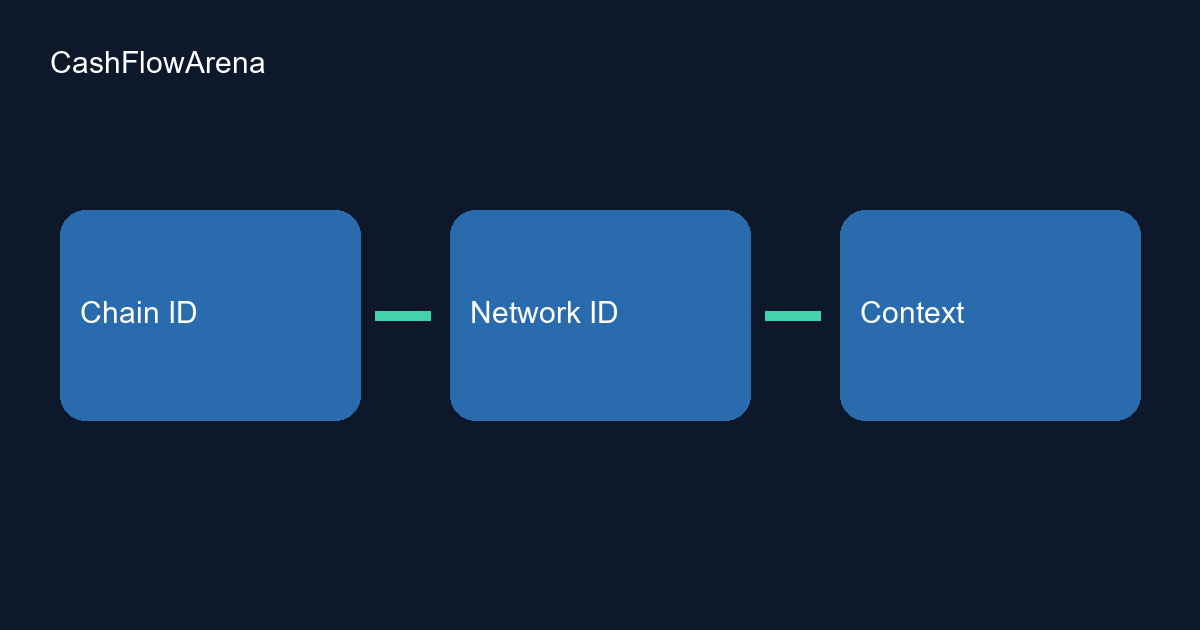
Diagram: three blue blocks labeled «Chain ID», «Network ID», «Context», connected by two green lines.

Understand Ethereum chain ID versus network ID, the limits of EIP-155 replay protection, and why a familiar address string cannot establish chain identity.
Categories Basics

Ethereum Block Gas Limit: Capacity, Transaction Bounds, and Gas Used

October 30, 2026 by Javier Burco
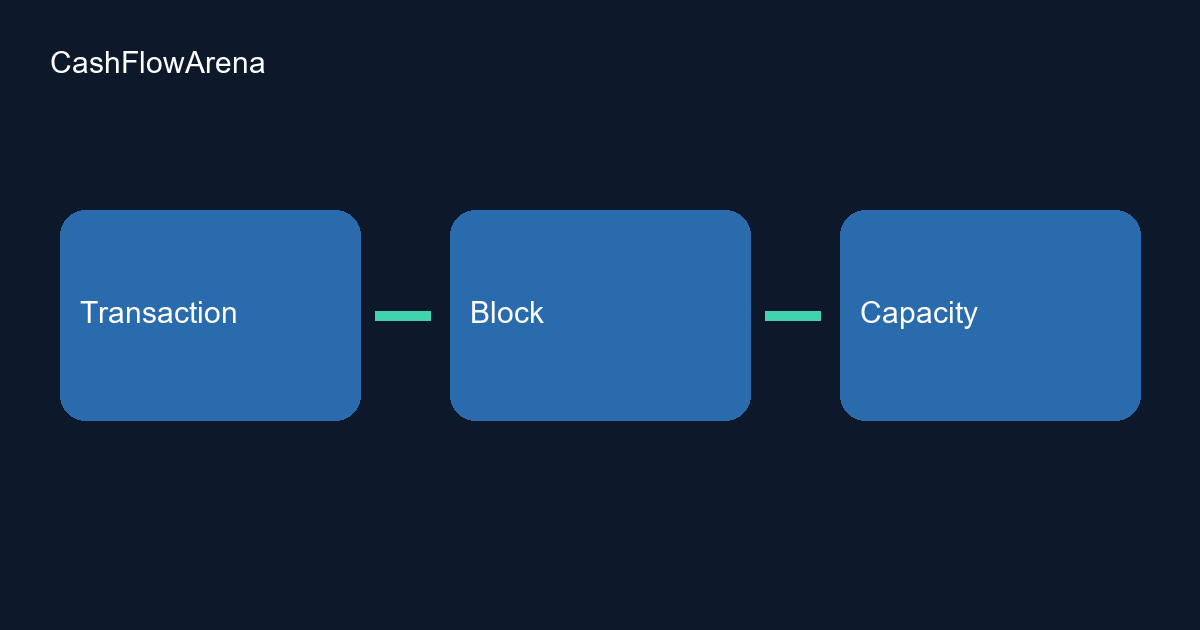
Diagram: three blue blocks labeled «Transaction», «Block», «Capacity», connected by two green lines.

Understand the Ethereum block gas limit by separating block capacity, a transaction’s gas bound, actual consumption, and price per gas—with a clearly bounded hypothetical example.
Categories Basics

Ethereum Contract Verification: What Verified Source Establishes

October 30, 2026 by Javier Burco
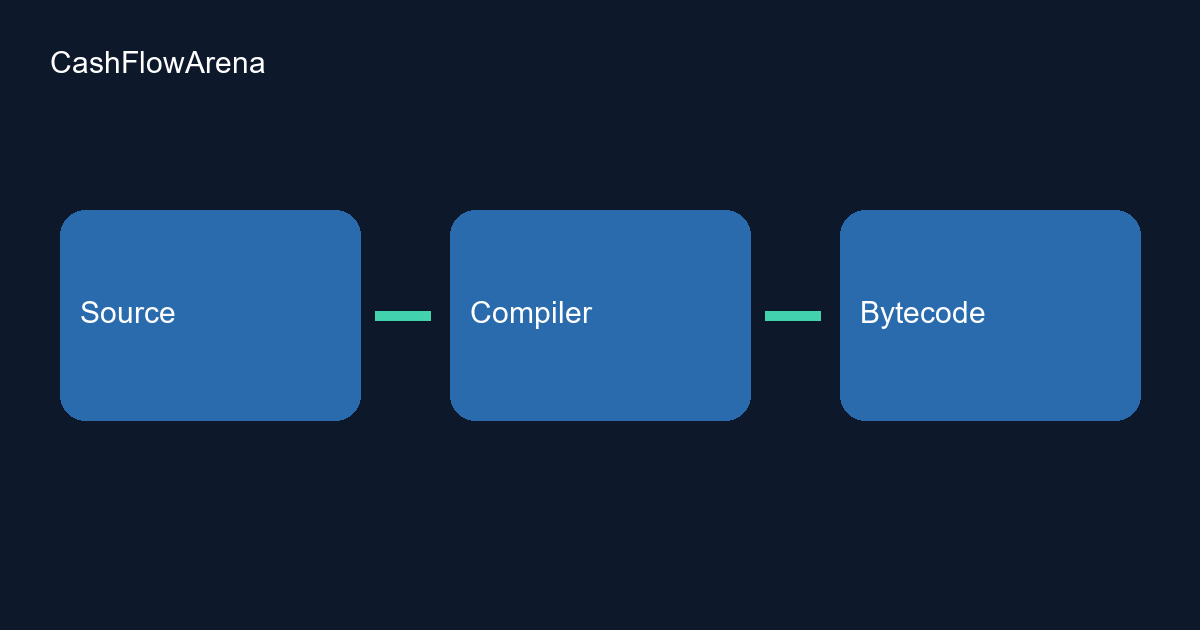
Diagram: three blue blocks labeled «Source», «Compiler», «Bytecode», connected by two green lines.

Ethereum contract verification links source and compiler inputs to deployed bytecode. Learn what full and partial matches establish, why auditing is separate, and how to read the evidence.
Categories Basics

Ethereum Virtual Machine Explained: Bytecode, State, and Gas

October 30, 2026 by Javier Burco
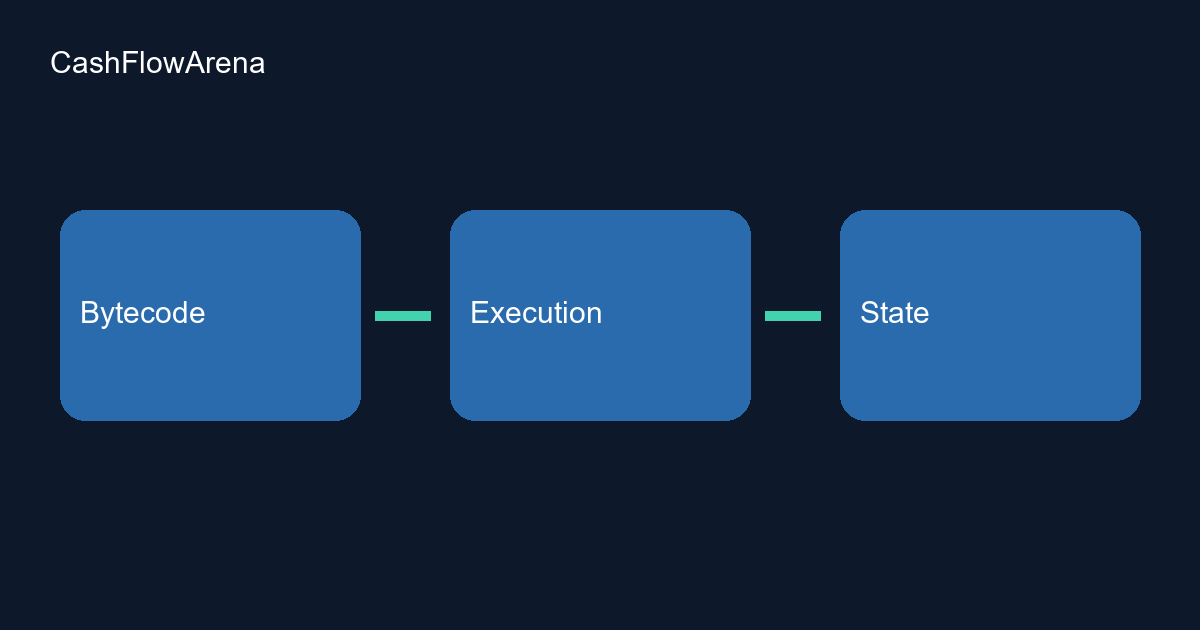
Diagram: three blue blocks labeled «Bytecode», «Execution», «State», connected by two green lines.

Understand how the Ethereum Virtual Machine executes bytecode, changes contract state, and meters work with gas—and why valid processing does not guarantee an intended contract result.
Categories Basics

Ethereum Contract ABI: Reading the Interface and Its Limits

October 30, 2026 by Javier Burco
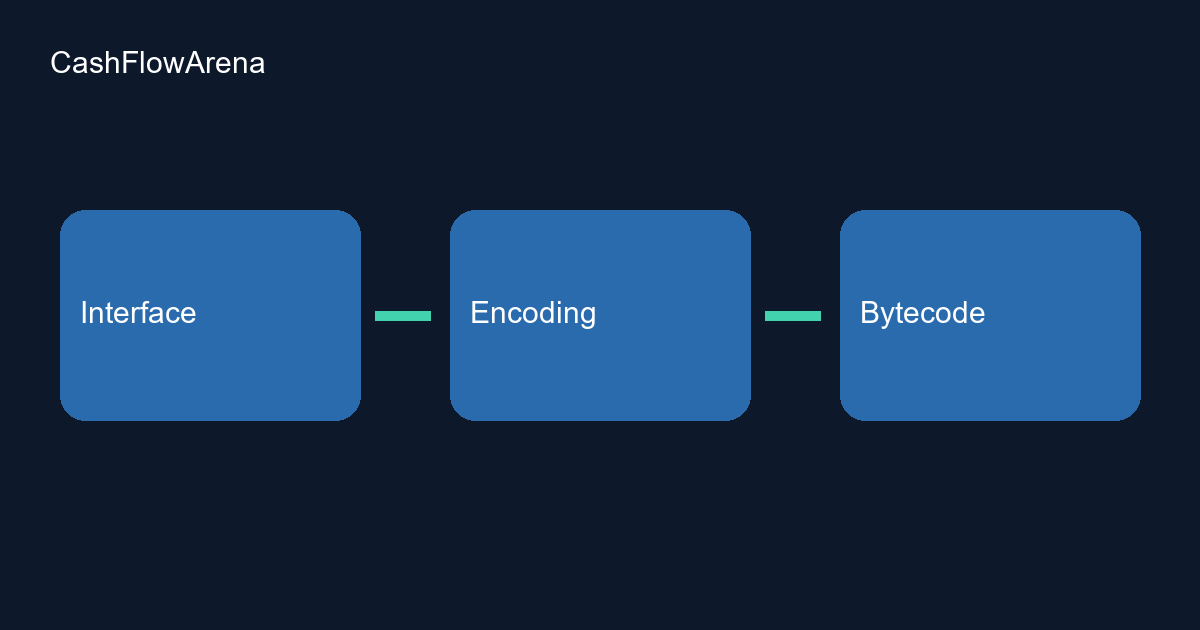
Diagram: three blue blocks labeled «Interface», «Encoding», «Bytecode», connected by two green lines.

Understand what an Ethereum contract ABI describes, how names and types support encoding and decoding, and why an interface file does not prove implementation safety.

Categories Basics
Older posts
Page1 Page2 Page3 Next →

Recent Posts

  • Ethereum Block Number: Reading Height, Hash, and State
  • Ethereum Contract Creation: Init Code and the Resulting Address
  • Ethereum Logs vs Events: How to Read an Emitted Record
  • eth_call vs Transaction: What Ethereum Simulation Establishes
  • Ethereum Transaction Input Data: Understanding Bytes and ABI Decoding

Recent Comments

No comments to show.
© 2026 cashflowarena.com • Built with GeneratePress